
How to Measure and Choose the Right Chair Glide for School Furniture...
If you manage facilities at a school, you've probably dealt with this before: scuffed gym floors, groaning cafeteria chairs, or a batch of glides that looked right online but didn't fit when they arrived. Chair glides are a small purchase with a surprisingly big impact on your floors, your furniture's lifespan, and the noise level in every room where students sit.
The good news is that once you understand a few basic measurements and the differences between glide types, the whole thing gets simple. Here's everything you need to know.
Step 1: Identify Your Chair Leg Type
Before you measure anything, you need to know what kind of chair leg you're working with. School furniture uses several common leg configurations, and the right glide style depends entirely on this.

Tubular / Hollow Round Legs
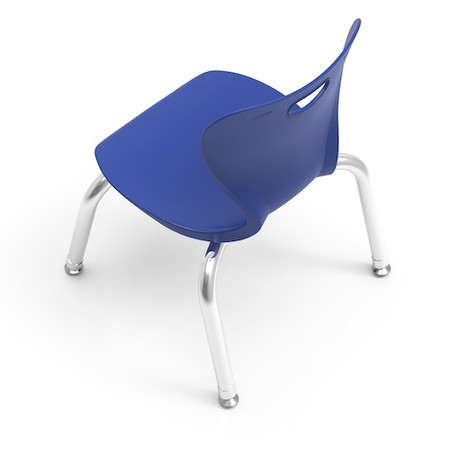
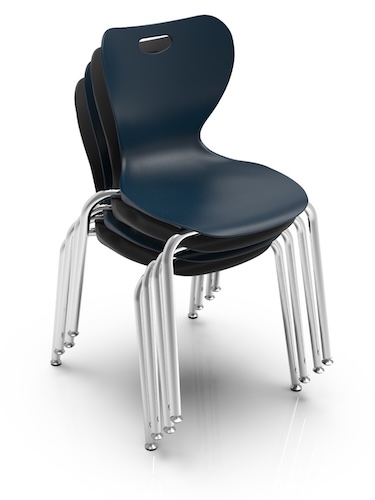
The most common type in schools. These are metal tubes — round or oval — that form the chair's frame. Found on stacking chairs, student chairs, and many cafeteria designs. These legs take swivel glides and plugs, which press or screw into the open end of the tube.
Solid Leg / Post Leg
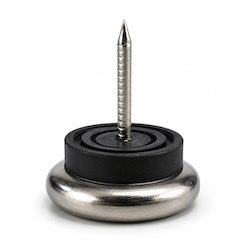
Typically found on older wooden chairs and some steel post-leg designs. These use glides that attach to the outside of the leg — often a nail-on or adhesive felt glide, or a slip-on cap.
Sled Base
Sled base chairs have a continuous metal runner instead of four separate legs. Common in lecture halls, waiting areas, and some classroom seating. These require sled base glides and wraps — a completely different product than leg glides.
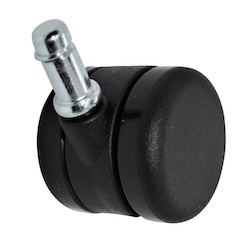
Swivel / 5-Star Base
Office-style task chairs and some teacher chairs have a 5-caster star base. These use swivel chair glides or replacement casters — not the same as standard leg glides.
Step 2: Measure the Chair Leg Opening
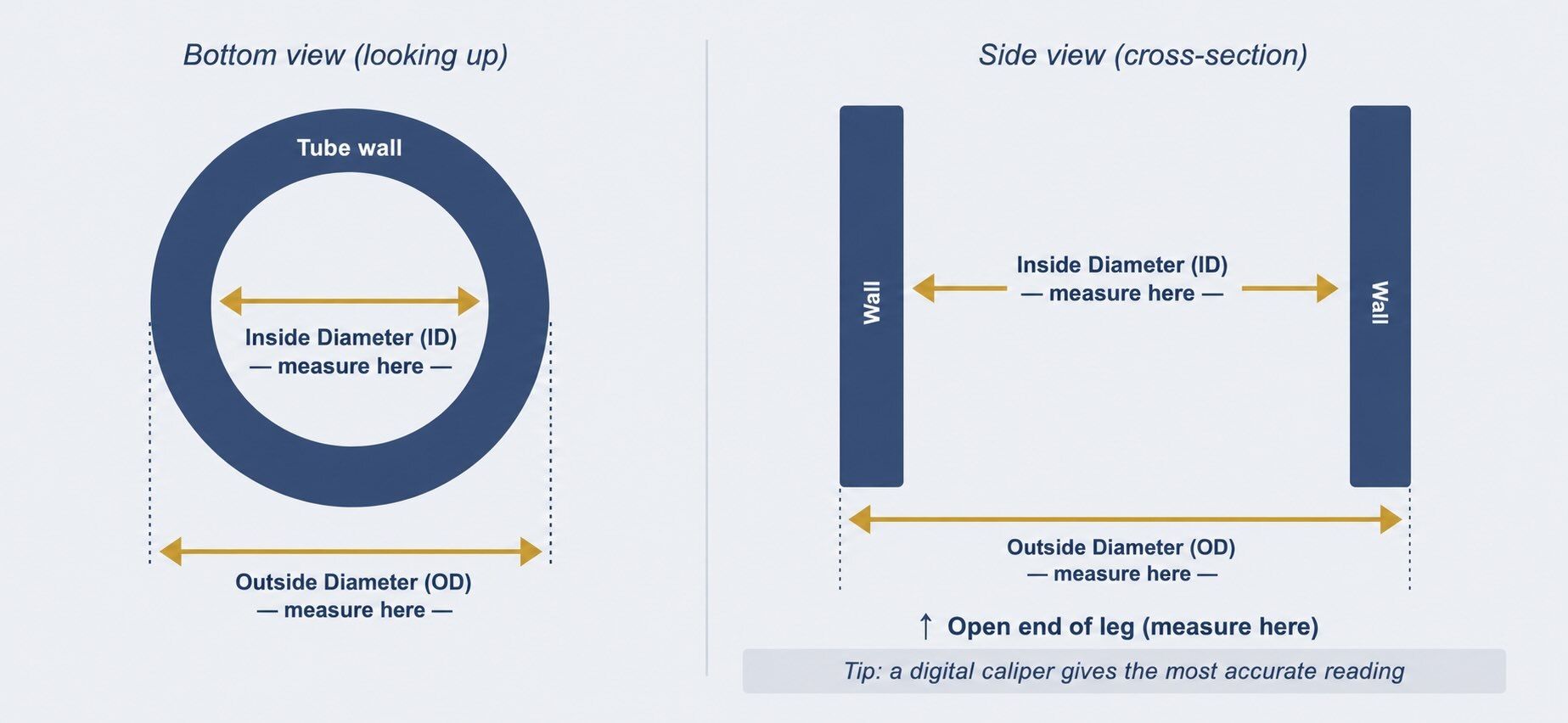
For tubular legs, the single most important measurement is the inside and outside diameter of the tube opening using a caliper or ruler at the bottom of the leg. This determines which insert glide will fit.
1. Flip the chair upside down
Place it on a stable surface. Good lighting makes a difference — tube openings are often dark and hard to see.
2. Remove the old glide (if present)
Pry out any worn glide with a flathead screwdriver. If it's fused in, use pliers — but be careful not to deform the tube.
3. Measure the inside and outside diameter
Use a caliper for accuracy. If you only have a ruler, measure across the widest point of the tube's inside and outside opening. Most school chairs fall between ⅝ inch and 1⅛ inches inside diameter.
4. Check the leg shape
Is it perfectly round, slightly oval, or square? Round legs are the most common, but oval legs need oval insert glides. Measure both the longest and shortest axis if you're not sure.
5. Note the wall thickness
The tube wall thickness affects whether a standard insert will seat securely. Heavy-gauge frames may need glides with a wider-flanged head to sit flush.
Quick tip: If you have a worn glide in hand, go to our buying glides link on the Shiffler website.
Common Chair Leg Sizes: Quick Reference Chart
The table below covers the most common inside diameters found in school furniture. If your measurement falls between two sizes, size up — a slightly larger insert can be shimmed, but a glide that's too small will fall out.
| Inside Diameter | Common Furniture Types | Glide Style | Fit |
|---|---|---|---|
| ⅝ inch (16mm) | Lightweight student stacking chairs, folding chairs | Swivel/Insert/Plug Glide | Most Common |
| ¾ inch (19mm) | Standard student chairs, cafeteria chairs (Virco, KI) | Swivel/Insert/Plug Glide | Most Common |
| ⅞ inch (22mm) | Mid-weight stacking chairs, some cafeteria chairs | Swivel/Insert/Plug Glide | Common |
| 1 inch (25mm) | Heavy-duty cafeteria chairs, some folding chairs | Swivel/Insert/Plug Glide or Snap Cap | Common |
| 1⅛ inch (29mm) | Heavy-gauge institutional furniture, older school chairs | Swivel/Insert/Plug Glide or Slip-On Cap | Less Common |
| Oval / Non-round | Specific cafeteria and auditorium chair models | Oval Insert Glide | Measure Both Axes |
| Square leg | Tables, some modern classroom chairs | Square Glide or Felt Pad | Measure Side Length |
Step 3: Choose the Right Glide Material for Your Floors
Size gets you to the right fit. Material determines how the glide performs day-to-day. School floors range from sealed hardwood gyms to ceramic tile hallways to polished concrete cafeterias — and each surface rewards a different glide material.
| FLOOR TYPE | RECOMMENDED GLIDE MATERIAL | WHY |
Fig. 3 — Match your glide material to your floor surface for the best protection, quiet, and durability.
For most school applications — tile hallways, cafeteria floors, and standard classrooms — a nylon insert glide with a felt base is the best all-around choice. It's quiet, protects floors, and holds up through constant shuffling. Pure felt glides are the right call anywhere you have hardwood or a gym floor.
School Furniture Brand Compatibility
If you know the brand of your furniture, you can often narrow your search considerably. Here are the most common school furniture manufacturers and the glide types that typically fit their chairs:
KI (Krueger International)
KI chairs vary by product line, but most stack chairs and cafeteria chairs use either ⅞-inch or 1-inch round insert glides. KI often specifies a "bullet nose" style insert for their frame tubes.
Virco
Virco is the most widely used chair brand in U.S. schools. Their stacking chairs predominantly use ⅞-inch round insert glides. The CAR-series glides (CAR114, CAR140) are direct-fit replacements for many Virco models. When in doubt, pull out a worn glide and compare the shank diameter to confirm.
Palmer Hamilton
Palmer Hamilton activity tables and chairs commonly use 1-inch round insert glides. Their leg tubes tend to be slightly heavier gauge, so look for inserts with a wider flange head for a clean finish.
Sico & Cafeteria Table Brands
Cafeteria tables often use leveling glides on their pedestal legs — especially on tables with height-adjustment mechanisms. Check our adjustable leveling glides section for these applications.
Ordering in bulk? If you're replacing glides across a large number of chairs, order a small sample pack first and test fit before committing to a full quantity. A one-leg test takes 30 seconds and can save you from returning hundreds of pieces.
Insert Glides vs. Snap Caps vs. Felt Pads: Clearing Up the Terminology
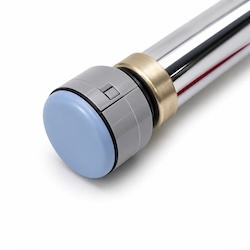
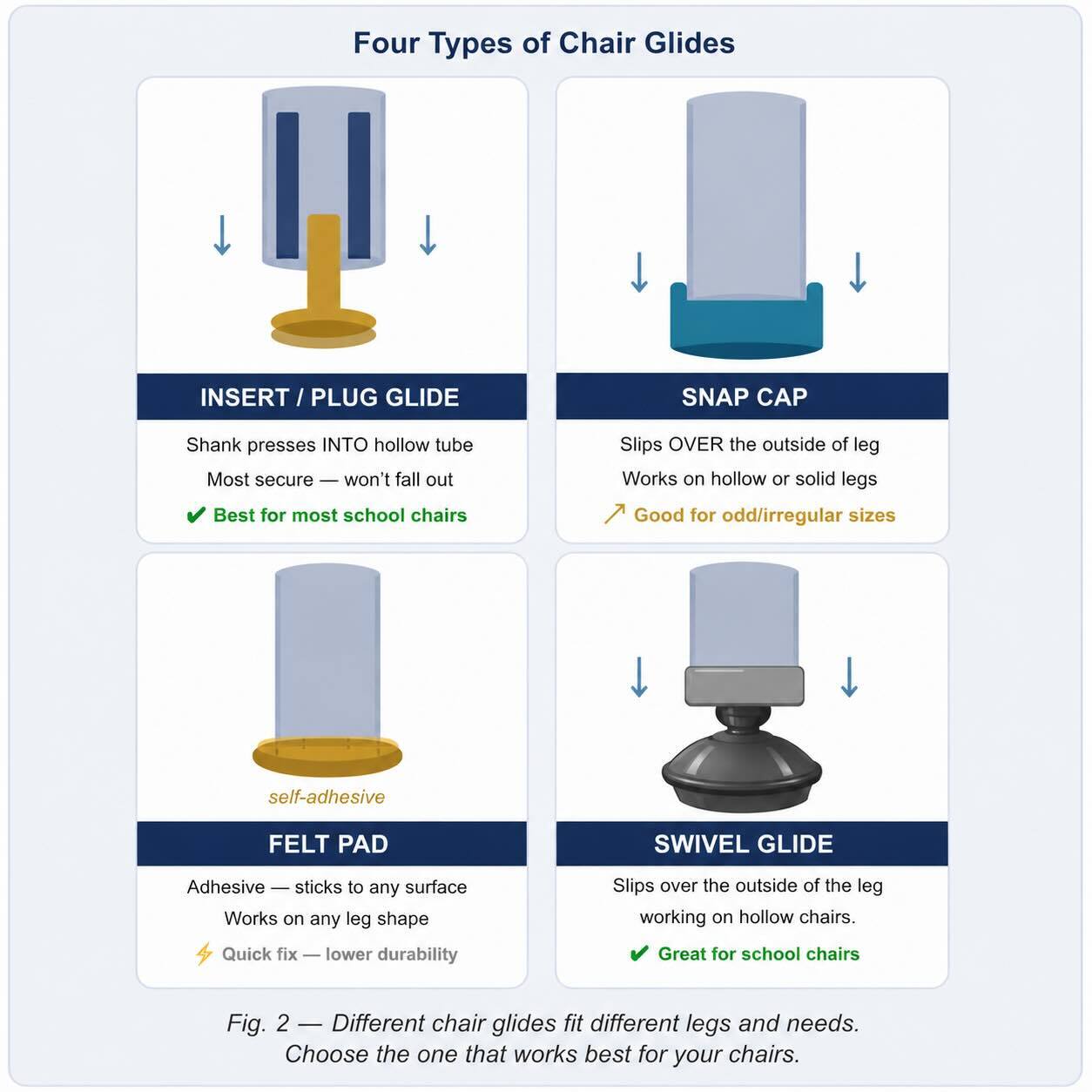
Insert glides (plug glides) press or screw into the hollow end of a tubular leg. The shank goes inside the tube; a flanged head sits flush at the bottom. This is the most secure option and stays in place even with heavy use.
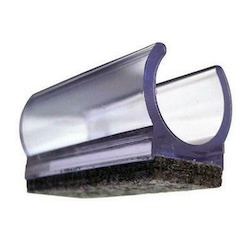
Snap caps slip over the outside of the leg rather than inserting inside. They work on both hollow and solid legs, and they're quick to replace — but they can fall off if the fit isn't snug. Useful for odd sizes or as a quick interim fix.
Felt pads are self-adhesive and stick to the bottom of any leg — round, square, or irregular. They're the fastest solution but also the shortest-lived. Good for low-use applications or a quick fix until you can order the right insert glide.
✅ Before You Order: Quick Checklist
- Measured the inside and outside diameter of the leg tube
- Confirmed leg shape — round, oval, or square
- Noted whether you have a standard leg, sled base, or swivel/caster base
- Chosen glide material based on floor type (felt for hardwood, nylon+felt for tile, rubber for wet areas)
- Identified chair brand and cross-referenced model compatibility where possible
- Ordered a sample pack if replacing more than 50 chairs
- Checked whether chairs use leveling glides (common on tables and pedestal bases)
Ready to Order? We've Got 14,000+ School Parts In Stock.
Shiffler Equipment has been supplying schools with floor protection and facility parts for over 50 years. If you're not sure which glide fits, our team can help — just give us a call or send us the brand and model of your chair.
Shop All Chair Glides & Slides Chat with Our Team